Jul 24, 2017 On my PC, iTunes will always launch on startup. Disabled in Task Manager. On my Laptop, when logging in on my work profile, Steam and Origin will both startup. Again, Disabled in Task Manager. I've also reinstalled both apps on my Laptop and they still do this. I have also unchecked the usual 'Run at Startup' options within each respective program. Oct 24, 2017 Stop apps opening on startup on Mac. Select the Apple menu and System Preferences. Select Users & Groups and then the Login Items tab in the top center. The list of enabled apps will appear in the center pane.
Go to System Preferences Users & Groups Login Items to view a list of all apps set to launch on startup. To remove a specific app, highlight it and click the minus button under the list.
(Updated on 11/6/2017)So, here’s a quick question: how long does it take for your Mac to start up? A minute? Two minutes? Five? Or just too long? One possible reason your Mac may be slow out of the blocks is that it’s trying to launch a slew of programs all at the same time.
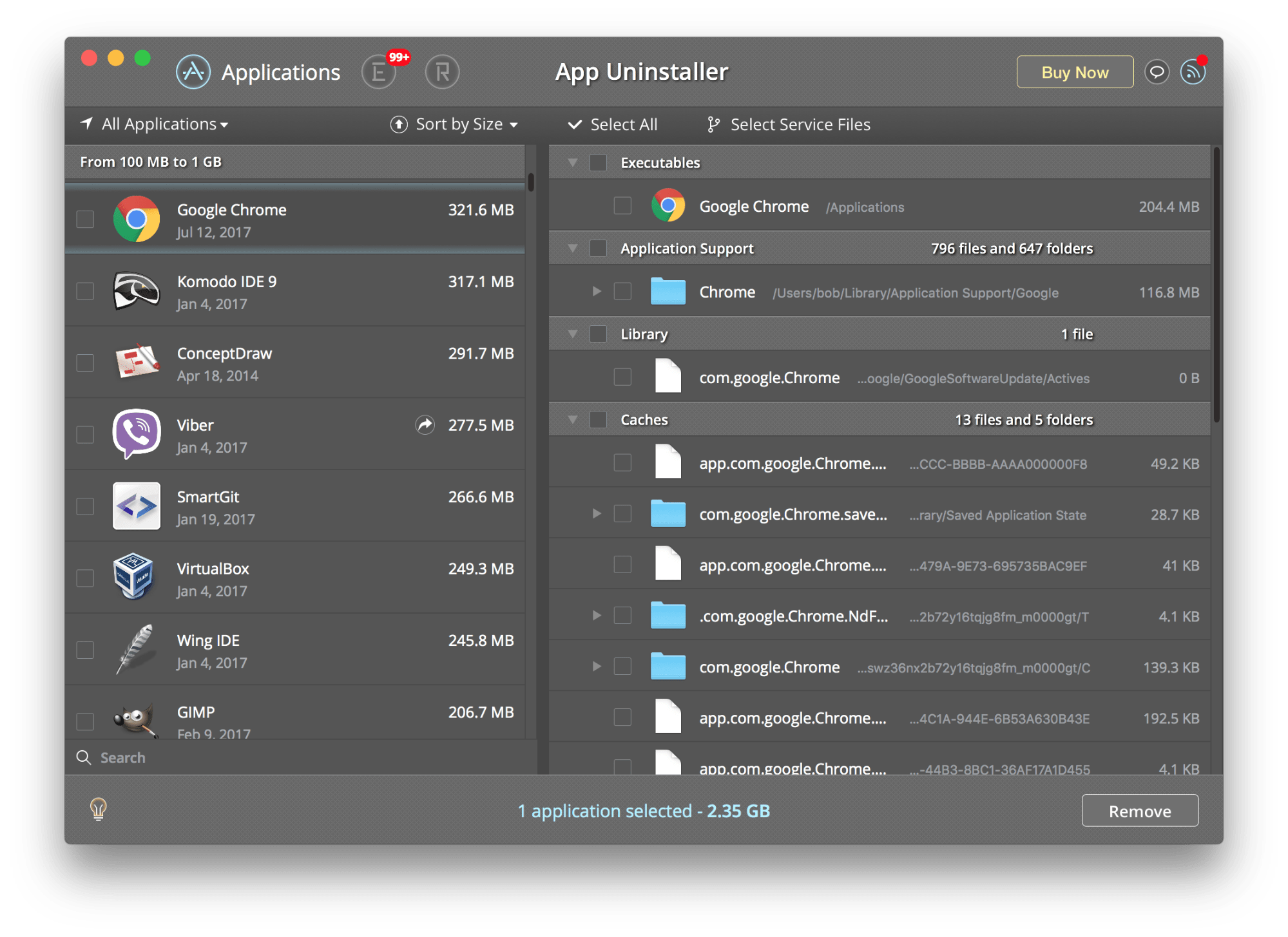
Luckily, it is easy to Stop Apps from Opening at Startup in Windows 10 and prevent them from slowing down your computer. Stop Apps from Opening at Startup Using Task Manager. Follow the steps below to stop any App or Program from opening at startup in Windows 10 using Task Manager. Right-click on the Start button and click on Task Manager. Alternative Ways Of Managing Startup Apps. The method we highlighted above provides you with an overview of the apps that will launch upon logging into your Mac. This is useful if you prefer looking at things from a macro perspective, but if you’d rather not go through all the steps, there are alternative ways to manage individual apps.
Now, some of these programs might be actually be ones that you do want to launch automatically, such as the Safari web browser, or Apple Mail. But other, not-so-necessary programs may be piling up in your Mac’s “login items” list, too—ones that set themselves to launch automatically without asking first.
Another factor that may be slowing down your system is the Mac’s “Resume” feature, which re-opens any and all apps you had running when you shut down your Mac. That could lead to a crush of apps all trying to launch themselves at startup.
Last but not least, you may have specific programs on your Mac with “Launch at Startup” settings that you’ll need to find and disable.
Now, if you’re the patient type, waiting a little longer for your Mac to boot up so that your programs appear just as you left them might be a fair trade-off.
But if you’d rather shave a few seconds—or even minutes—off the time it takes for your Mac to settle down after hitting the power button, read on.
1. Cross items off your Mac’s “Login Items” list
Your Mac launches a series of programs each and every time it starts up. Some of these programs are critical for the smooth operation of your system; others, not so much.
To see a list of all the programs your Mac opens automatically, click the Apple menu in the top-left corner of the screen, select System Preferences, click the “User & Groups” icon (it’s under the “System” heading), pick a user (you, most likely), and finally click the “Login Items” tab.
You should now see a list of everything your Mac is launching (or trying to launch, anyway) whenever it starts up.
Some of the items will be easy to identify—in my case, I’ve got Dropbox and Google Drive (the handy file-sharing apps) listed, as well as something called an “Eye-Fi Helper” (an app that lets my Mac receive wireless images from my digital camera) and “AirPort Base Station Agent” (which keeps tabs on my AirPort Wi-Fi base station).
To delete these or other startup items from the list (but not from your Mac, mind you), just select them and click the “-” button at the bottom of the list.
2. Keep “Resume” from re-launching previously open apps
Don’t get me wrong—”Resume” is one of the handiest Mac features, especially for those of us who like to pick up in Safari or the Calendar app right where we left off.
But if you don’t want Resume relentlessly re-launching all the apps you had open when you last shut down your Mac, you can stop it from doing so.
The next time you select Shut Down or Restart from the Apple menu, take a closer look at the window that pops up; in addition to the “Cancel” and “Shut Down” or “Restart” buttons, you’ll also see a checkbox labeled “Reopen windows when logging back in.”
Click the box to clear out the checkmark, and the only apps that’ll re-launch the next time your power on your Mac are those listed in the Login Items menu.
3. Check for program-specific “Launch at Startup” settings
So, you emptied the “Login Items” list and turned off the Resume feature, but there’s still a program that’s launching itself at startup. What gives? Well, it could be that the stubborn program has its own “Launch at Startup” setting.
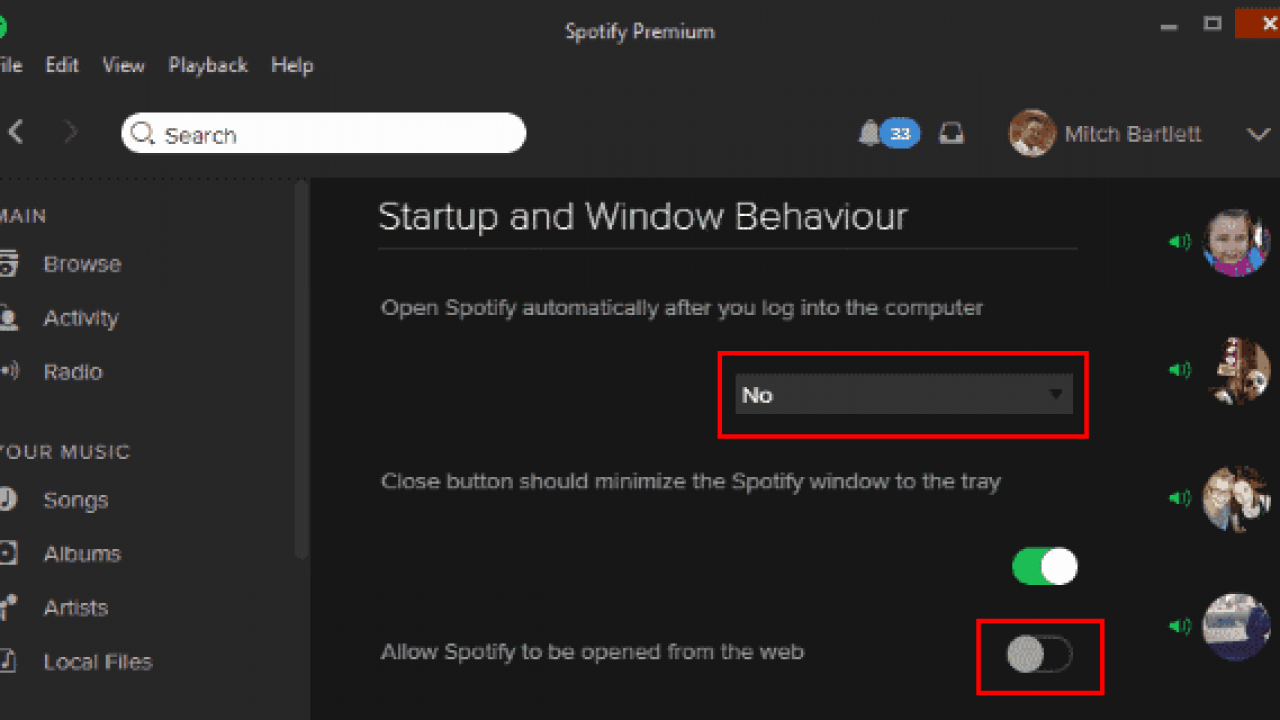
Open the program, make sure it’s the active app on your desktop (just click its window if it isn’t), then find its Preferences menu; generally speaking, you’ll find it under its main menu in the Mac menu bar (like “Spotify” in the case of Spotify).
Once you’ve opened the program’s Preferences menu, look around for a “Launch at Startup” setting. If there are lots of different Preferences categories, start with “General,” then try “Advanced.” (In Spotify’s case, I found a “Open Spotify automatically after you log into the computer” setting under its “Advanced” settings.)
Found the “Launch at Startup” (or the equivalent) setting? Go ahead and disable it, then rinse and repeat for any other programs that are still launching themselves when you turn on your Mac.
Related posts:
Several Mac users have reported that the Mail app window just pops up randomly and for no reason. Are you also having this problem on your Mac? This short article explains how you can stop the Mail app from keep launching itself automatically while using the computer. This is an annoying problem because it will interrupt what you are doing.
Please try each step until your issue is fixed:
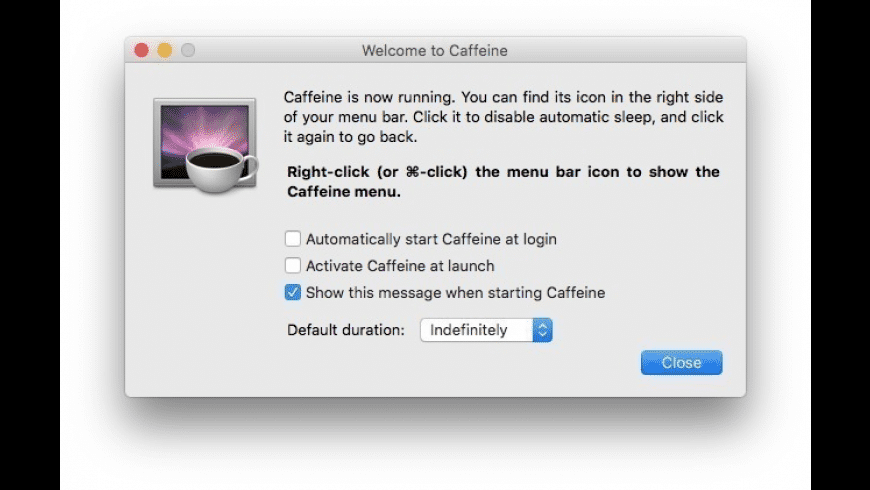
1-Are your having this problem when you first open your computer. Depending on your settings, some apps, like the Mail app, may open automatically when you log in. If you want to stop this, the first thing you should check is your settings to see if if Mail is set to launch at login. Here is how you can check this:
- On your Mac, open System Preferences (from the Apple menu at the top-left of the screen), or use Terminal.
- Click Users & Groups
- Click the Login Items tab
- Here you will see the apps that will open automatically at login. If Mail is there, you can stop it from opening automatically, select and and click the minus icon to remove it.
2-Another change you you want to make is to disable the “Close windows when quitting an application” option. You can do that by going to System Preferences and click the General pane and the check the “Close windows when quitting an application” box.
3-Some Mac computers support a feature called “Power Nap”. If you enable this, you Mac will check for new mail messages (among other things) while it is asleep. You may want to disable this. Again not all Mac models support this feature. The following models support this:
- MacBook (Early 2015 and later)
- MacBook Air (Late 2010 and later)
- MacBook Pro (all models with Retina display)
- Mac mini (Late 2012 and later)
- iMac (Late 2012 and later)
- Mac Pro (Late 2013)
To turn this off, go to System Preferences. And click Energy Saver. And then uncheck the “Enable Power Nap” box.
4-It has been reported that email settings in Google Calendar may cause this. Are you using a Gmail account? If so, you may want to try this. (see also: Gmail not working?)
- Visit the Google Calendar site (https://calendar.google.com/calendar/)
- Login if not already
- Click the Settings Menu icon (upper right hand corner of your screen – gear icon) and from the pull down menu, click Settings
- Select your Calendar
- Scroll and find the General Notifications section
- And change all this notification settings from Email to None. (There are five options)
Further your may also want to disable event settings notifications. Here is how:
- Click the General tab (left area)
- Click Event Settings
- Click Notifications
- And select “Off”
See also: Calendar Invitation: Your Response To The Invitation Cannot Be Sent
Launch Apps At Startup Mac
5-Some users reports indicate that Mail will launch in split view. If you are having this problem, here is what you can do:
- Open the Mail app
- Click Mail and Preferences (from the menu bar)
- Click the General tab
- And then deselect the “Prefer opening messages in split view when in full screen” box
- And close the window
6–Restart your Mac in Safe Mode. Here is how:
- Turn off your Mac
- Turn on your Mac while pressing and holding the Shift key
- Release the Shift key when you see the login screen.
- Now your Mac is in Safe Mode. Does your problem still occur?
- If now, restart your Mac normally, without pressing the Shift key
7-Force quit the Mail app. Here is how:
Launch Apps On Startup
- Option, Command, and Esc
- Select the Mail app
- Click Quit
- Now restart your Mac
If none of the tips help you, you may contact Apple. You can also give Apple feedback about this problem.
See also: How To Open Winmail.dat Attachments